

 Phone
Phone Send Email
 whatsapp


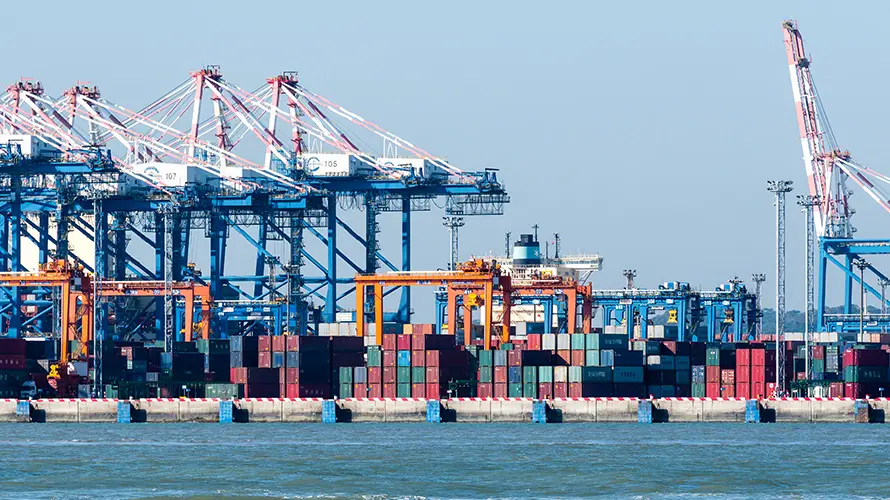


10 Essential Tips for Maintaining Harbor Cranes Effectively
Proper maintenance keeps harbour cranes safe, efficient, and long-lasting. By addressing issues early, you reduce risks and ensure smooth operations. Regular care for harbour cranes minimizes downtime and lowers operational costs. Reliable cranes improve productivity and safety. For expert solutions and quality parts for your harbour cranes, visit https://www.nblanhai.com/. Protect your investment with consistent maintenance practices.
Key Takeaways
- Make a plan to check and fix cranes regularly. This reduces delays and helps cranes last longer.
- Use software to plan checks and record repairs easily. It stops missed checks and keeps cranes working well.
- Check cranes daily before using them. A checklist finds problems early and keeps the workplace safe.
Create a Maintenance Schedule for Harbor Cranes
Importance of consistent maintenance intervals
A well-planned maintenance schedule ensures your harbor cranes operate efficiently and safely. Regular intervals allow you to address potential issues before they escalate into costly repairs. Consistency in maintenance also extends the lifespan of your equipment. For example, inspecting components like wire ropes and hydraulic systems at fixed intervals helps you identify wear and tear early. This proactive approach minimizes unexpected downtime and keeps your operations running smoothly.
Skipping or delaying maintenance can lead to equipment failure, which disrupts workflows and increases expenses. By sticking to a schedule, you create a routine that ensures no critical task is overlooked. This habit not only protects your investment but also enhances the safety of your work environment.
Using software to streamline scheduling
Managing maintenance tasks manually can be overwhelming, especially when dealing with multiple harbor cranes. Maintenance management software simplifies this process. These tools allow you to track service history, set reminders for upcoming tasks, and generate detailed reports. With automated scheduling, you reduce the risk of missing important inspections or repairs.
Some software solutions also integrate predictive maintenance features. These use data from sensors to alert you about potential issues before they occur. By adopting such technology, you can optimize your maintenance routine and focus on other operational priorities. Digital tools make it easier to stay organized and ensure your cranes remain in top condition.
Inspect Key Components Regularly
Checking bolts, wire ropes, and hydraulic systems
Regular inspections of critical components keep your harbor cranes operating safely and efficiently. Start by checking bolts for tightness. Loose bolts can compromise the structural integrity of the crane. Use a torque wrench to ensure they meet the manufacturer’s specifications.
Wire ropes require close attention. Look for fraying, kinks, or broken strands. Damaged ropes can fail under load, leading to dangerous situations. Replace any rope that shows signs of wear immediately.
Hydraulic systems are another key area. Inspect hoses for cracks or leaks. Check fluid levels and ensure there is no contamination. Low or dirty hydraulic fluid can reduce performance and cause system failure. Keeping these components in good condition prevents costly repairs and ensures smooth operations.
Identifying early signs of wear and tear
Spotting wear and tear early helps you avoid major breakdowns. Pay attention to unusual noises during operation. Grinding or squeaking sounds often indicate mechanical issues. Vibrations or jerky movements can signal problems with bearings or gears.
Look for visible signs of damage, such as rust, cracks, or deformation. Corrosion weakens metal parts, especially in harsh marine environments. Addressing these issues promptly extends the lifespan of your equipment.
Monitor performance metrics, like lifting speed and load capacity. A decline in performance may point to underlying problems. By staying vigilant, you can keep your harbor cranes in peak condition and maintain a safe work environment.
Follow Manufacturer Guidelines
Adhering to OEM recommendations
Following the manufacturer’s guidelines ensures your harbor cranes operate as intended. These guidelines, provided by the Original Equipment Manufacturer (OEM), include detailed instructions for maintenance, operation, and troubleshooting. You should always refer to the manual when performing routine checks or repairs. This helps you avoid mistakes that could damage the equipment or void the warranty.
OEM recommendations often specify maintenance intervals, lubrication types, and inspection procedures. By adhering to these, you maintain the crane’s efficiency and safety. For example, the manual may outline how to properly adjust wire ropes or replace hydraulic components. Ignoring these instructions can lead to premature wear or even equipment failure.
Keep the manual accessible to your team. Encourage operators and technicians to consult it regularly. This practice not only ensures compliance but also builds a culture of safety and reliability in your operations.
Using approved parts and tools
Using approved parts and tools is essential for maintaining the integrity of your harbor cranes. OEM-approved parts are designed to meet the specific requirements of your equipment. Generic or substandard parts may not fit correctly or perform as expected, leading to potential hazards.
When replacing components, always verify that they match the specifications in the manual. For tools, use those recommended by the manufacturer. Specialized tools ensure precise adjustments and reduce the risk of damage during repairs.
Investing in quality parts and tools may seem costly upfront, but it saves you money in the long run. It minimizes downtime, prevents accidents, and extends the lifespan of your equipment. Prioritize safety and performance by sticking to approved resources.
Ensure Proper Lubrication
Selecting the right lubricants for harbor cranes
Choosing the correct lubricant is essential for keeping your harbor cranes running smoothly. Each component, such as gears, bearings, and wire ropes, requires a specific type of lubricant. Using the wrong one can lead to increased friction, overheating, or even mechanical failure. Always refer to the manufacturer’s recommendations when selecting lubricants. These guidelines ensure compatibility with the crane’s materials and operating conditions.
Environmental factors also play a role in your choice. For example, cranes operating in coastal areas face high humidity and salt exposure. In such cases, corrosion-resistant lubricants are ideal. High-performance synthetic oils work well in extreme temperatures, while biodegradable options suit environmentally sensitive locations. By selecting the right lubricant, you protect your equipment and enhance its performance.
Establishing a lubrication routine
A consistent lubrication routine prevents wear and tear on critical components. Start by creating a schedule based on the manufacturer’s guidelines. Regular intervals ensure that no part is overlooked. Over-lubrication can cause leaks, while under-lubrication leads to increased friction. Striking the right balance is key.
Before applying lubricant, clean the surfaces to remove dirt and debris. Contaminants can mix with the lubricant and reduce its effectiveness. Use the proper tools, such as grease guns or oil applicators, to ensure even distribution. Keep a record of each lubrication session. This log helps you track maintenance and identify patterns that may indicate underlying issues. A well-maintained lubrication routine extends the lifespan of your harbor cranes and reduces downtime.
Address Mechanical and Electrical Issues Promptly
Common problems and their solutions
Mechanical and electrical issues can disrupt crane operations and lead to costly downtime. You should familiarize yourself with common problems to address them quickly. For mechanical systems, worn-out gears, misaligned components, and damaged bearings are frequent issues. Regular inspections help you identify these problems early. Replace worn parts immediately to avoid further damage. Misaligned components often require recalibration using specialized tools.
Electrical systems also face challenges. Loose wiring, corroded connections, and faulty sensors are common culprits. Inspect wiring for signs of wear or fraying. Tighten loose connections and replace corroded parts to maintain electrical integrity. Faulty sensors can cause inaccurate readings, affecting crane performance. Use diagnostic tools to test sensors and replace them if necessary.
Tip: Keep a stock of essential spare parts and tools. This ensures you can resolve issues without waiting for replacements.
Preventing operational hazards
Addressing mechanical and electrical issues promptly reduces the risk of operational hazards. Faulty components can lead to accidents, such as dropped loads or crane malfunctions. You can prevent these risks by implementing a proactive maintenance strategy. Schedule regular checks for both mechanical and electrical systems. Document findings to track recurring issues.
Train your team to recognize warning signs like unusual noises, vibrations, or erratic movements. Encourage them to report problems immediately. Quick action prevents minor issues from escalating into major hazards. By staying vigilant, you create a safer work environment and ensure uninterrupted crane operations.
Note: A well-maintained crane not only enhances safety but also boosts productivity.
Train Operators and Maintenance Teams
Importance of skilled and certified personnel
Skilled and certified personnel play a vital role in maintaining the efficiency and safety of your harbor cranes. Operators with proper training understand how to handle the equipment correctly, reducing the risk of accidents. Certified maintenance teams know how to identify and resolve issues before they escalate. Their expertise ensures that your cranes operate at peak performance.
Untrained personnel can unintentionally damage equipment or overlook critical maintenance tasks. This increases the likelihood of breakdowns and costly repairs. By employing certified professionals, you protect your investment and create a safer work environment. Certification programs also keep your team updated on the latest industry standards and best practices. This knowledge helps them adapt to new technologies and operational challenges.
Providing ongoing training programs
Ongoing training programs keep your team’s skills sharp and relevant. Regular workshops and refresher courses help operators and maintenance staff stay informed about new techniques and tools. These programs also reinforce safety protocols, ensuring compliance with regulations.
You can partner with equipment manufacturers or training institutions to provide specialized courses. For example, a course on advanced diagnostics can help your team detect hidden issues in harbor cranes. Hands-on training sessions improve practical skills, while online modules offer flexibility for busy schedules.
Encourage your team to participate in these programs regularly. A well-trained workforce not only boosts productivity but also minimizes downtime. Investing in continuous education ensures your cranes remain in excellent condition and your operations run smoothly.
Conduct Daily Safety Checks
Pre-operation inspection checklist
Daily safety checks are essential for ensuring your harbor cranes operate safely and efficiently. Before starting operations, you should follow a detailed pre-operation inspection checklist. This routine helps you identify potential issues and prevent accidents.
Here’s a checklist to guide your inspections:
- Examine the crane’s structure: Look for visible damage, such as cracks, rust, or deformation on the frame and joints.
- Inspect wire ropes and hooks: Check for fraying, kinks, or broken strands. Ensure hooks are not bent or worn.
- Test brakes and controls: Operate the brakes, levers, and joysticks to confirm they respond correctly.
- Check fluid levels: Verify that hydraulic and lubrication fluids are at the recommended levels.
- Inspect tires or tracks: Look for wear, damage, or improper alignment.
- Verify safety devices: Confirm that alarms, lights, and limit switches function properly.
Tip: Keep a log of your daily inspections. This record helps you track recurring issues and ensures accountability.
Ensuring compliance with safety standards
Adhering to safety standards protects your team and equipment. You should familiarize yourself with local regulations and industry guidelines for crane operations. These standards often include requirements for inspections, maintenance, and operator training.
To ensure compliance:
- Train your team: Provide regular safety training to operators and maintenance staff.
- Use approved equipment: Only use parts and tools that meet safety certifications.
- Document inspections: Maintain detailed records of daily checks and repairs.
Note: Non-compliance can lead to fines, accidents, or equipment failure. Staying proactive ensures a safer work environment and uninterrupted operations.
By conducting daily safety checks, you reduce risks and keep your harbor cranes in peak condition.
Monitor Electrical Systems
Checking wiring, connections, and fluid levels
Electrical systems play a critical role in the performance of harbor cranes. You should inspect wiring and connections regularly to ensure they remain in good condition. Look for signs of wear, such as frayed wires, exposed insulation, or discoloration. Damaged wiring can lead to short circuits or power loss. Tighten any loose connections to maintain a stable electrical flow.
Fluid levels in electrical components, such as batteries or cooling systems, also require attention. Low fluid levels can cause overheating or reduced efficiency. Use the manufacturer’s guidelines to check and refill fluids as needed. Always use the recommended type of fluid to avoid compatibility issues.
Tip: Use a multimeter to test voltage and continuity in wiring. This tool helps you identify hidden issues quickly.
Preventing electrical malfunctions
Proactive measures can help you avoid costly electrical malfunctions. Start by keeping electrical components clean and dry. Moisture and dirt can cause corrosion or short circuits. Use protective covers to shield sensitive parts from environmental damage.
Monitor the performance of electrical systems during operations. Flickering lights, erratic sensor readings, or unusual noises often indicate underlying problems. Address these signs immediately to prevent further damage. Schedule regular diagnostic tests to detect issues early.
Note: Keep spare fuses, relays, and other essential Electrical Parts on hand. Quick replacements minimize downtime and keep your operations running smoothly.
By monitoring electrical systems, you ensure the reliability and safety of your harbor cranes.
Protect Harbor Cranes from Environmental Damage
Effects of weather and corrosion
Environmental factors can significantly impact the performance and lifespan of your harbor cranes. Weather conditions, such as rain, humidity, and salt-laden air, accelerate corrosion. Corrosion weakens metal components, reducing their structural integrity. Over time, this can lead to costly repairs or even equipment failure. High winds and storms also pose risks by causing physical damage to exposed parts.
You should pay close attention to areas most vulnerable to corrosion, such as joints, bolts, and wire ropes. These parts often face direct exposure to harsh elements. Rust and pitting on metal surfaces are early signs of corrosion. Addressing these issues promptly prevents further deterioration. By understanding how weather affects your equipment, you can take proactive steps to protect it.
Applying protective coatings and proper storage
Protective coatings act as a barrier between your harbor cranes and the environment. Applying anti-corrosion paint or galvanizing metal surfaces reduces the risk of rust. For wire ropes and moving parts, use lubricants with corrosion-resistant properties. These measures enhance durability and ensure smooth operation.
Proper storage also plays a crucial role in protecting your equipment. When not in use, store cranes in covered areas or use weatherproof covers. This shields them from rain, UV rays, and debris. If your cranes operate in coastal regions, rinse them regularly with fresh water to remove salt deposits. These simple practices help you maintain your equipment’s condition and extend its lifespan.
Tip: Schedule periodic inspections to check the effectiveness of protective coatings and identify any new signs of damage.
Use Predictive Maintenance Technology
Benefits of predictive analytics
Predictive maintenance technology helps you identify potential issues before they cause equipment failure. By analyzing data from sensors and systems, predictive analytics provides insights into the health of your harbor cranes. This approach allows you to schedule maintenance only when necessary, saving time and resources.
One major benefit is reduced downtime. Predictive tools alert you to problems early, so you can address them before they disrupt operations. This proactive strategy keeps your cranes running smoothly and minimizes unexpected breakdowns. Another advantage is cost savings. By fixing small issues early, you avoid expensive repairs or replacements.
Predictive analytics also improves safety. Early detection of faults reduces the risk of accidents caused by equipment failure. You can operate your cranes with greater confidence, knowing they are in optimal condition. Additionally, this technology extends the lifespan of your equipment by preventing unnecessary wear and tear.
Tip: Use predictive maintenance to focus on long-term efficiency and reliability. It’s an investment that pays off over time.
Examples of advanced maintenance tools
Several advanced tools can help you implement predictive maintenance. Vibration sensors monitor the condition of moving parts like gears and bearings. These sensors detect unusual patterns that indicate wear or misalignment. Thermal imaging Cameras identify overheating components, such as motors or electrical connections.
Another useful tool is the Internet of Things (IoT). IoT devices collect real-time data from your cranes and send it to a central system for analysis. Machine learning algorithms process this data to predict potential failures. Diagnostic software also plays a key role. It provides detailed reports and recommendations based on sensor readings.
Note: Combining these tools with regular inspections ensures the best results. Predictive maintenance works best when paired with a hands-on approach.
Regular maintenance and safety checks are essential for keeping your harbor cranes reliable and efficient. By following these tips, you improve safety, reduce downtime, and extend the lifespan of your equipment. Proactive care prevents costly repairs and ensures smooth operations. Start implementing these practices today to maximize crane performance and protect your investment. 🚢
FAQ
What is the best way to prevent corrosion on harbor cranes?
Apply anti-corrosion coatings and use lubricants with rust-resistant properties. Store cranes in covered areas or use weatherproof covers when not in use.
How often should you inspect key components of harbor cranes?
Inspect critical components like wire ropes, bolts, and hydraulic systems weekly. Regular checks help you identify wear and tear early and prevent failures.
Can predictive maintenance technology work for older harbor cranes?
Yes, you can retrofit older cranes with sensors and IoT devices. These tools provide real-time data, helping you predict and address potential issues effectively.