

 Phone
Phone Send Email
 whatsapp


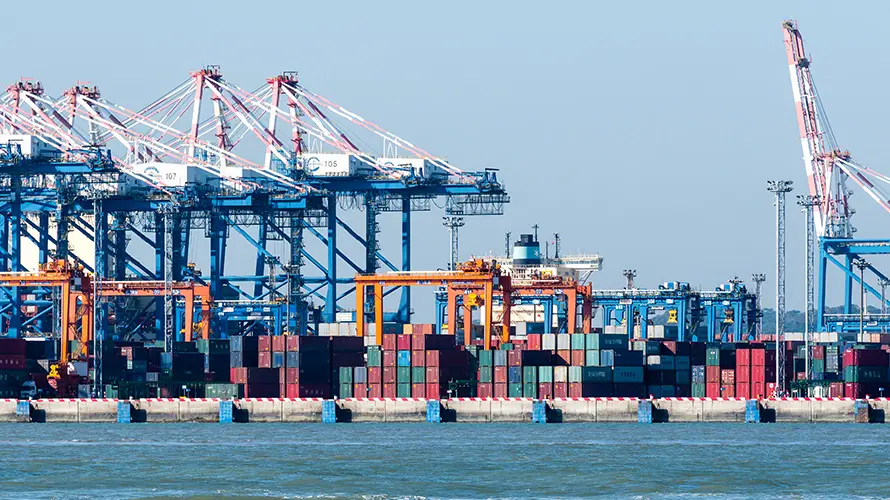


Hydraulic Port Cranes — How Chinese Manufacturers Supply Container Handling Equipment to Global Port Operators


Why We Focused on Hydraulic Port Crane Manufacturing in 2008
We at NBLANHAI began as a general-purpose industrial machinery manufacturer in 2003, producing hydraulic lifting equipment, industrial winches, and port handling machinery for the domestic Chinese market. We found that the port machinery market in China was growing rapidly in the mid-2000s as Chinese ports invested heavily in capacity expansion to handle the dramatic increase in containerized trade that followed China's accession to the World Trade Organization. We decided to focus specifically on hydraulic port cranes around 2008 when we identified an opportunity to serve international port operators who were looking for alternative suppliers to the established European and Japanese port crane manufacturers, primarily because the Chinese manufacturers could offer significantly lower prices while meeting the technical specifications required for their port operations.
We have found that the hydraulic port crane market has very different competitive dynamics from most other industrial equipment categories, because the customer base is dominated by a small number of very large port operating companies and port authority government entities whose purchasing decisions are heavily influenced by equipment reliability, after-sales service support, and total cost of ownership rather than purchase price alone. We have learned that Chinese manufacturers who succeed in the international port crane market are those who invest in quality documentation, certification compliance, and after-sales service infrastructure rather than those who compete primarily on price. We have structured our business around these market realities, which means we invest more in quality control and after-sales support than manufacturers who compete purely on price.
We have supplied hydraulic port cranes to port operators in Southeast Asia, West Africa, the Middle East, and South America, and we have developed specific product configurations and service capabilities for each of these regional markets. We have found that the port equipment requirements in these markets vary significantly based on local conditions including the types of cargo handled, the port duty intensity, the availability of maintenance infrastructure, and the regulatory environment. We approach each new market with a structured needs assessment process rather than simply exporting the same product configuration to all markets, because the failure to adapt to local conditions is the most common reason we have observed for port equipment not meeting customer expectations in international markets.
The Hydraulic System Design Principles That Determine Port Crane Performance
We at NBLANHAI specify hydraulic system pressure of 250 bar and main hydraulic flow rate of 280 liters per minute for our 30-ton lifting capacity port cranes, and 300 bar at 400 liters per minute for our 50-ton lifting capacity cranes. We have selected these hydraulic operating parameters based on engineering analysis of the relationship between system pressure, flow rate, and component reliability in port duty cycles that involve 200 to 300 lifting operations per day. We have found that the hydraulic system operating pressure is the most critical specification because systems operating above 280 bar consistently show accelerated seal wear and hydraulic hose service life reduction, which increases maintenance costs and downtime in port operations where equipment availability is directly tied to operational revenue.
We have designed our hydraulic systems with load-sensing proportional Valve control, which we have found provides significantly smoother and more precise lifting control than conventional open-center hydraulic systems. Load-sensing proportional valves adjust the hydraulic flow rate in real-time based on the load weight and the operator's control input, which means the crane responds more precisely to operator commands and reduces the mechanical stress on the crane structure that results from jerky or abrupt load movements. We have received consistent feedback from port operator customers that the load-sensing proportional control significantly improves operator preference for our cranes compared to conventional hydraulic systems from other manufacturers.
We have equipped our port cranes with a centralized hydraulic filtration system that maintains oil cleanliness to ISO 4406 class 18/14 or better, which is essential for maintaining the reliability of the proportional valves and hydraulic actuators that are the most sensitive and most expensive components in the hydraulic system. We have found that hydraulic oil contamination is the primary cause of premature hydraulic system failures in port environments where dusty and sandy air conditions create significant contamination challenges. Our filtration system includes high-pressure filters on each actuator circuit and a kidney-loop filtration system that continuously cleans the hydraulic oil even when the crane is not in operation, which extends the hydraulic oil service life and reduces the frequency of hydraulic system maintenance.
The Corrosion Protection Specifications We Offer for Marine Port Environments
We at NBLANHAI have developed a specific marine-grade corrosion protection specification for hydraulic port cranes that we supply to ports in Southeast Asia, West Africa, and the Middle East where salt air and high humidity create aggressive corrosion environments that significantly shorten equipment service life if not properly addressed. We apply a marine-grade primer and finish coating system to all structural steel components, which includes a zinc-rich primer layer, an epoxy intermediate coat, and a polyurethane finish coat that provides both corrosion protection and UV resistance. We specify this three-layer coating system specifically because we have documented through years of field exposure testing that single-coat or two-coat systems fail prematurely in the salt air environments where our marine port crane customers operate.
We specify stainless steel hydraulic tubing and fittings throughout the hydraulic system for our marine-environment cranes, which prevents the internal corrosion of hydraulic lines that occurs in conventional carbon steel tubing when moisture enters the hydraulic system through breathers or during maintenance procedures. We have found that stainless steel hydraulic tubing costs approximately three times more than carbon steel tubing, but the cost premium is justified by the reduction in hydraulic system maintenance and the elimination of hydraulic contamination from internal corrosion products that carbon steel tubing inevitably produces over time. We present this cost trade-off clearly to our marine port customers and let them decide whether the stainless steel specification is worth the additional investment.
We install sealed electrical junction boxes with IP67 ratings for all control system components, which prevents moisture and dust ingress into electrical enclosures even when the crane is subjected to high-pressure wash-down cleaning that is common in port environments. We have found that electrical system failures caused by moisture ingress are one of the most common reliability issues in port crane applications, and the IP67 specification for junction boxes and control panels is a relatively low-cost addition that significantly reduces electrical system failure rates. We also specify marine-grade electrical connectors and Cable terminations that are specifically designed for the vibration and salt air exposure conditions that port crane electrical systems experience.
Frequently Asked Questions About Hydraulic Port Cranes from NBLANHAI
We are a port operator in West Africa evaluating hydraulic port cranes from Chinese manufacturers — what hydraulic system pressure and flow rate does NBLANHAI specify?
We at NBLANHAI specify hydraulic system pressure of 250 bar and main hydraulic flow rate of 280 liters per minute for our 30-ton lifting capacity port cranes, and 300 bar at 400 liters per minute for our 50-ton lifting capacity cranes. We selected these parameters based on engineering analysis of the relationship between system pressure, flow rate, and component reliability in port duty cycles involving 200 to 300 lifting operations per day. We have found that systems operating above 280 bar show accelerated seal wear and hydraulic hose service life reduction, which is why we specify 250 bar as our standard operating pressure for the 30-ton model. We can provide the complete hydraulic system schematic and component specification sheet for each crane model before order confirmation.
What CE and ISO certifications does NBLANHAI hold for hydraulic port crane exports to European ports?
We at NBLANHAI hold CE marking under the EU Machinery Directive 2006/42/EC for our hydraulic port cranes, which is the mandatory safety certification for machinery products sold or operated in EU member states. We additionally hold ISO 9001:2015 quality management system certification for our crane manufacturing operations and our hydraulic system integration operations. We provide the complete CE technical file including the risk assessment, design calculations, test reports, and operating instructions for every CE-marked crane we supply, which port operators can use directly for their own machinery compliance documentation under EU health and safety regulations.
We need hydraulic port cranes that can operate in high-salt-humidity port environments — what corrosion protection does NBLANHAI offer?
We at NBLANHAI apply a marine-grade three-layer coating system (zinc-rich primer, epoxy intermediate coat, polyurethane finish) to all structural steel components, specify stainless steel hydraulic tubing and fittings, and install IP67-rated sealed electrical junction boxes for marine-environment cranes. We have supplied hydraulic port cranes to ports in Southeast Asia, West Africa, and the Middle East for over 10 years with documented corrosion protection performance through annual inspection records. We can provide the complete coating specification and the stainless steel tubing certification for every marine-environment crane we supply.
How to Evaluate Chinese Hydraulic Port Crane Manufacturers for International Procurement
We at NBLANHAI have been both a buyer and a competitor in the international port crane market, and we want to share what we have learned about the manufacturer evaluation process from both perspectives. We recommend that port operators evaluate Chinese hydraulic crane manufacturers across four categories: technical documentation quality, certification authenticity, manufacturing facility verification, and after-sales service capability. We have found that manufacturers who score well across all four categories consistently deliver satisfactory equipment, while manufacturers who score poorly in any one of these four categories almost always create significant problems during the procurement, installation, or operation phases of the equipment lifecycle.
We recommend requesting and verifying the manufacturer's certifications independently rather than accepting copies at face value, because we have encountered situations where Chinese manufacturers have presented fraudulent or expired certifications to international buyers. We recommend verifying CE marking through the EU NANDO database, verifying ISO 9001 certification through the relevant accreditation body database, and requesting factory audit reports from independent third-party inspection companies for manufacturers who cannot provide verifiable certification documentation through official channels.
We invite port operators who are evaluating hydraulic port crane manufacturers to contact our international sales team. We can provide CE technical files, ISO 9001 certificates, reference lists from port operators in comparable markets, and factory audit reports from independent third-party inspection companies for every product we offer. You can reach our team through our product catalog or contact us directly for hydraulic port crane technical specifications and pricing.